Category: Uncategorized

  • Who is there for the man? He deserve flowers too 💐

    • by Salimat Oluwakemi Garba

    Oftentimes, he is expected to be there for everyone – his family, the helpless woman on the street being assaulted, the random child getting bullied, the neighbour whose house is on fire, the girlfriend expecting a dinner date, the lawn needing mowing, or friends wanting to hang out at the pub all day. But who is there for the man?
    • Picture: Freepik

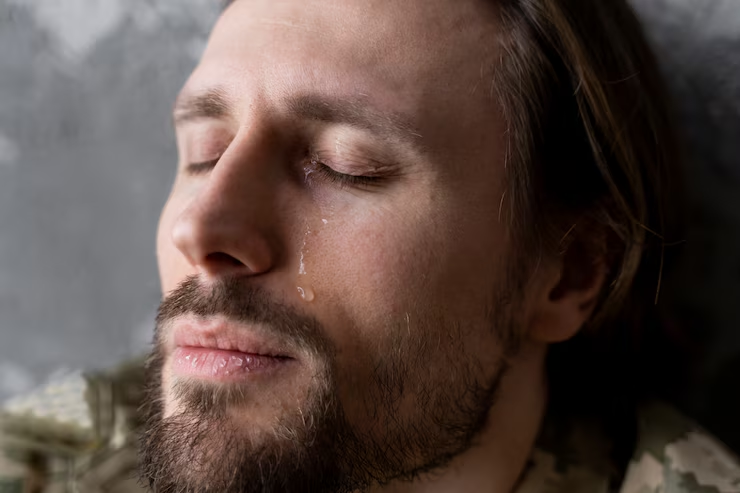
    Society has drawn up this unspoken job description for what a “real man” should be and not living up to it risks being labelled “not man enough” or “lacking masculinity.” But really, who made these rules? And who says masculinity means: don’t cry, don’t complain, don’t ask for help, just get on with it?

    Statistics show that 1 in 5 men have no one to talk to (not even their best friends), and men are three times more likely to take their own lives than women. Men are experts at bottling things up. They’ll crack a joke, get lost in work, hit the gym, or dive into distractions – anything but admit they’re struggling. It’s no surprise that many eventually reach a breaking point.

    So, why don’t men talk? Beyond societal expectations, many stay silent out of secrecy, fear of being judged, appearing weak, or letting their ego get in the way. Some would rather suffer quietly than risk vulnerability.

    Video: Tima Miroshnichenko

    Dear men: it’s time society accepts that you are human too. You feel. You break. You heal. And it’s okay.

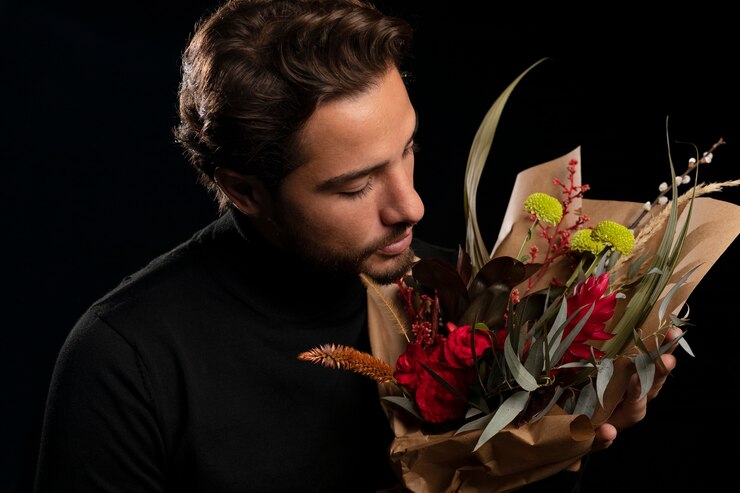
    Let’s normalise men resting, taking a break, asking for help, saying “I’m not okay,” putting their feet up – not as a sign of weakness, but as a form of refuelling. Let’s normalise giving men their flowers while they’re still here.

    Men deserve to be appreciated for all they do. They deserve to be listened to, cared for, pampered, treated with love and respect, and allowed the space to cry, be vulnerable, or just be.Trust me, men love compliments, hugs and softness too. I once complimented one – his face lightened up and then he said, “I’m not used to receiving compliments.”

    Video: Cottonbro Studio

    We often hear, “Happy wife, happy home.” But what about the husband? Can a sad husband create a happy home?

    James Routledge, the founder of JACK – an author, counsellor, and mental health advocate shared his personal journey at a recent event on how he struggled with his mental health.

    He highlighted how dominant male culture can be harmful – not only to men themselves but to others around them. He explained that men with more feminine traits seem to experience better love lives and longer-term relationships, therefore, men should learn to be kinder, more empathetic, more honest, and more real, but should never forget to always put themselves first.
    • Picture: Freepik

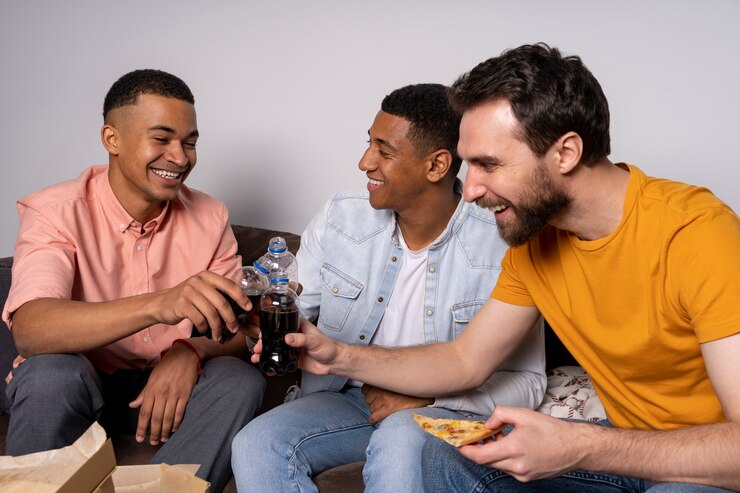
    James emphasised the need for a shift in narrative and encouraged the joining of value-driven men’s groups that prioritise emotional connection. “When men come together, good things happen.” Spending weekends with friends, drinking, drugs, womanising and suppressing your feelings isn’t what defines.

    Men go through difficult times too and sometimes genuinely struggle with their mental health and when they do, what the people in their lives can simply offer is listening, patience, empathy and reassurance. Just let them know it is okay to feel.

    Let’s all pay attention to the men in our lives, show them we care and remind them we are here for them if they ever need us. And yes – let’s give them their flowers, too.
    • Picture: Freepik

    Send a kind message today. Compliment that man you care about. Ask him “how are you really?”

    Is there a man in your life who could use some softness today? Share your thoughts or experiences in the comment 👇

  • Is Tyler Perry’s ‘Straw’ Worth a Watch? – My Honest Review

    • Salimat Oluwakemi Garba

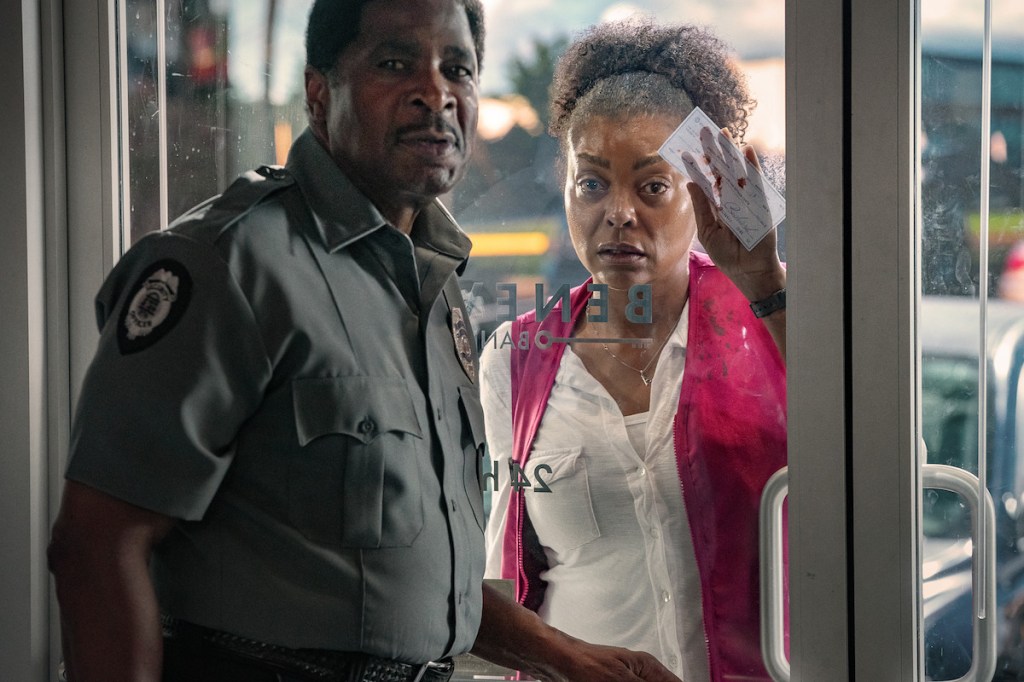
    Tyler Perry’s latest film, Straw, has been making waves recently, garnering lots of hype and glowing recommendations. After encountering countless social media posts and word-of-mouth reviews praising how emotional, intense, and touching it was, I decided to watch it for myself.

    • Picture: Netflix

    Daily Mail UK even described it as a “tear-jerker” and “an absolutely heartbreaking thriller so intense fans have had to take a break halfway through.” Nigerian filmmaker Ini Edo, applauding Taraji P. Henson’s performance, wrote:

    The most believable performance I have ever seen on screen. I had uncontrollable tears as you ripped the character apart.

    Knowing it was a psychological thriller, I waited for a time when my mind felt calm and focused. As someone who enjoys psychological thrillers and true crime documentaries, I have a pretty high threshold for suspense and emotional pull – I’ve seen hundreds of intense storylines, so it takes something truly exceptional to move me.

    But Straw didn’t.

    Despite the emotional reviews, I felt… nothing. It felt more like a regular drama than an intense psychological thriller. The only slightly gripping moment came at the end, with a plot twist that, unfortunately, felt recycled – almost identical to the 2019 film Fractured, which was, frankly, better executed.

    • Picture: Netflix

    I was able to use my phone and respond to messages during the film without missing anything crucial. That alone tells you how undemanding the story was; I didn’t need to rewind a single scene. And no, my distraction wasn’t the reason I didn’t enjoy it – the film simply didn’t hold me.

    I even questioned myself: Have I become emotionally numb? Has life hardened my heart so much that I can’t feel anymore? But no! The answer is simpler. The film just didn’t strike that chord. It dragged unnecessarily, especially for a thriller. There were moments of potential, but they weren’t fully developed.

    It appeared like emotions were being forced down the viewers’ throats from different angles: from Janiyah’s life, to detective Raymond sharing her story, to the bank manager’s contrbutions, to the protesters. It felt like a waste of my time.

    To be clear, Taraji P. Henson is a phenomenal actress. She delivered a solid performance and did her best with what she was given. But even she couldn’t save this film from its flaws.

    • Picture: Netflix

    A Facebook user captured my exact thoughts:

    I saw this movie Straw some days ago, and this is me apologising for not feeling what everyone else felt. I watched with dry eyes, a frown, and a mild headache. I’ve exhausted all my feelings for stories like this, felt all there is to feel.

    Reviews on Rotten Tomatoes reflected the same division. One viewer said:

    That unexpected ending hit me hard – as a mother, I couldn’t help but cry my eyes out. I absolutely loved this film! Definitely a must-rewatch!”

    Another disagreed entirely:

    Tyler Perry makes it difficult to sympathise with the lead. Some of the worst acting from the supporting cast, and the script can be relatable to some, but is over the top, and unrealistic!

    And another put it bluntly:

    Excessive sentimentality and weak character development.

    In the end, Straw may move some people deeply – but for me, it missed the mark.

  • What’s the Best Season of the Year? Depends on Who You Ask…

    • Salimat Oluwakemi Garba

    Sometimes, it’s not about what’s good or bad, sweet or sour, mild or strong – it’s about who you ask, and how they see it. One person sees a 6, another sees a 9. What one finds unbearable, someone else calls beautiful. The seasons of the year are no exception.

    For instance, Autumn is my most dreaded season. As the lights fade and grey skies settle in, I can feel my mood start to dip. If I had a remote to control the climate, I would fast-forward right through it. But as the saying goes, “One man’s food is another man’s poison.” For someone else, Autumn is the best time of the year.

    Seasons aren’t just shifts in weather – they’re rhythms that shape our lives. Wanting to hear how others relate to them, I took to the streets of Nottingham with a simple question:

    What’s your favourite season of the year and why?

    One woman told me she loves winter fashion, but not the heating bills. Another said Autumn is her favourite because of Halloween and Bonfire Night, two moments that bring warmth and celebration to colder days. And the others? Well, take a listen for yourself:

    In conclusion, seasons come and go, but the ones we love linger in memory – etched in scents, colours, and feelings we carry year after year. Whether it’s the golden hush of autumn, the bloom of spring, the sparkle of winter, or the fire of summer, our favourite season often whispers something about who we are.

    So as the year turns, ask yourself: Which season feels like home to you?

    For me, summer feels like home! Coming from a tropical country, its warmth and rhythm feel most familiar, most alive.

    But that’s me. Now I would love to hear from you.

    What’s your season and why?

  • Soapy Plates and Culture Shocks: A Nigerian Abroad

    • by Salimat Oluwakemi Garba

    Travelling is the salt of life – flavouring it with new experiences, cultures, scenery, food, beliefs, and lifestyles. But as sweet as these adventures can be, some experiences are a little too salty; leaving you with revelations you weren’t quite ready for.

    As a Nigerian living in the United Kingdom, I’ve encountered a fair share of culture shocks. Some make me smile, others make me think, but one in particular leaves me absolutely baffled every single time: Why don’t Brits rinse their dishes after washing them?

    Growing up in a Nigerian household, dishwashing was more than a chore—it was a ritual. Our kitchen didn’t have a sink or modern facilities, but we had a system that worked. My brother and I, around 7 or 8 years old at the time, shared the duty. One of us would scrub dishes in soapy water, and the other would rinse them – not once, but twice – in two separate bowls of clean water.

    We were also taught something very specific: soapy bubbles should never be left to dry on dishes. Letting them sit and crust over was considered both unhygienic and just plain wrong. If that happened, you had to wash the dishes all over again with no exceptions.

    So, we worked quickly, making sure each plate or pot went straight from soap to clean rinse before drying. When the first rinsing bowl started to get soapy, we’d throw out the original wash water, shift things around, and refill the second rinse bowl with fresh water.

    Even now, with modern sinks and running water, the principle remains the same: wash, then rinse thoroughly under clean, running water before draining.

    Imagine my shock when I moved to the UK and discovered that many Brits skip the rinsing altogether. Dishes go straight from the soapy water to the drying rack, as though the bubbles magically vanish with air.

    At first, I thought it was a one-off. Then I saw it again. And again. Until it became clear: this wasn’t a fluke, it was a thing.

    So, naturally, I took to my TikTok @diaryofamediagirl. I posted a video titled “British doing dishes culture shock…” where I showed exactly what I’d been seeing: Brits washing dishes in soapy water and placing them, still sudsy, straight onto the rack.

    What I didn’t expect? The avalanche of reactions.

    User @teatimediy: Not me or my husband’s family, but my mum doesn’t rinse them. She doesn’t change the water midway either.

    User @thesendmumsatnav2025 offered some justifications: 1. Our sinks and spaces are smaller, so rinsing into a full sink is tricky. 2. They’re never that soapy. I let the soap run off. 3. It’s about saving water.

    User @n4katom1 clapping back at thesendmum: 1. In all of Europe, sinks are like that. You can place dishes aside and rinse them all at once. 2. Yes, they are that soapy. The soap doesn’t come off by itself – ewww.

    User @cyanosisregina chimed in with a personal policy: “I’m a Brit, and that grossed me out. We rinse under hot running water. My family’s neurodiverse, so rinsing is a must. Now I know why I don’t eat at people’s houses!

    Then there was User @tijaygi: Grew up in a house where everything tasted like soap. I rinse heavily now.

    The reactions were as varied as they were enlightening. It turns out, not all Brits skip rinsing, but enough do that it’s become something of a generational habit passed down like Yorkshire pudding recipes or Sunday roast traditions.

    But here’s my lingering concern: beyond the sight of foamy dishes being just plain off-putting, what about the taste? The slick texture? The perfumed residue of washing-up liquid? And more seriously the health implications. We don’t eat soap for a reason, right?

    In the end, this isn’t about who’s right or wrong, it’s about how deeply our habits are shaped by culture, environment, and upbringing. What seems unthinkable in one household is totally normal in another.

    Still, I’ll be here with my rinsed plates and raised eyebrows, wondering how many cups of tea have been served with a hint of Fairy Liquid on the side.

  • Grim Grimsby: The Town They All Warned Me About

    by Salimat Oluwakemi Garba

    I hadn’t planned on visiting Grimsby. It was one of those names on a map that barely registered—until life nudged me in that direction. I arrived on a sunny afternoon, the kind where light sharpens everything it touches and even unfamiliar streets feel momentarily warm.

    As I sat on the once-full train, I watched it empty out with every stop. By the time we approached the final destination — Grimsby, I found myself wondering: does anyone actually go to Grimsby apart from me?

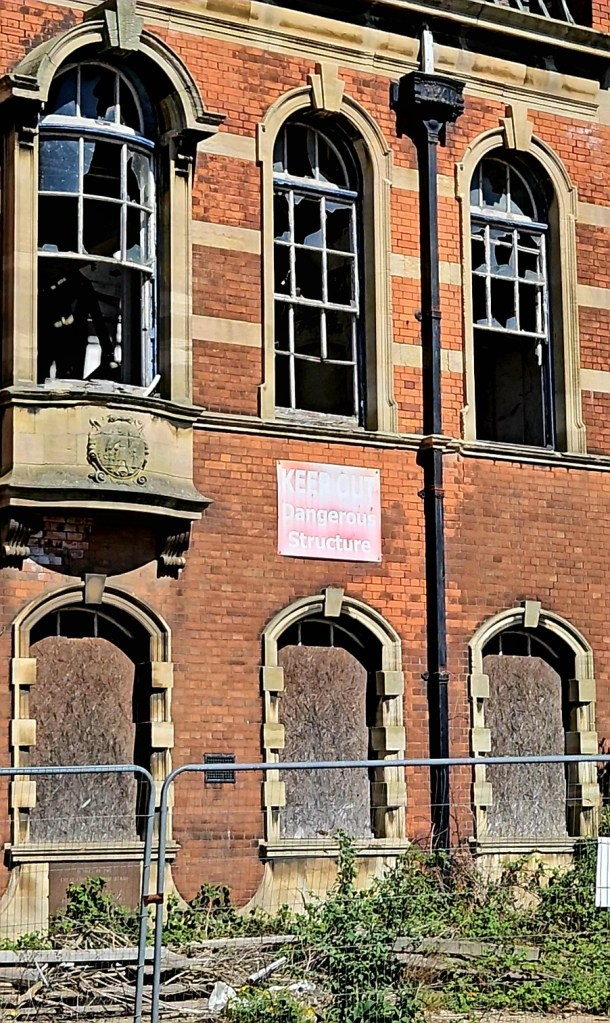
    I had come to the Lincolnshire town out of curiosity. Grimsby has the highest benefit dependency in the United Kingdom and is considered one of the poorest towns in the country. My feelings were mixed. The media had painted it as impoverished, boarded up, dangerous, and destitute.

    Everyone I told about my trip asked the same thing: “Why?” Not with intrigue, but with disbelief. One person simply said, “Grimsby is a dead hole.”

    When I mentioned my plans to someone from Grimsby, I asked, “I hear you’re from there – what should I take with me?” Their response? “A knife.” It was a joke, of course, but it spoke volumes about the town’s reputation. They added, “You’re too gorgeous to visit Grimsby.” As my trip drew closer, someone even advised me to hide my camera – it might not be safe.

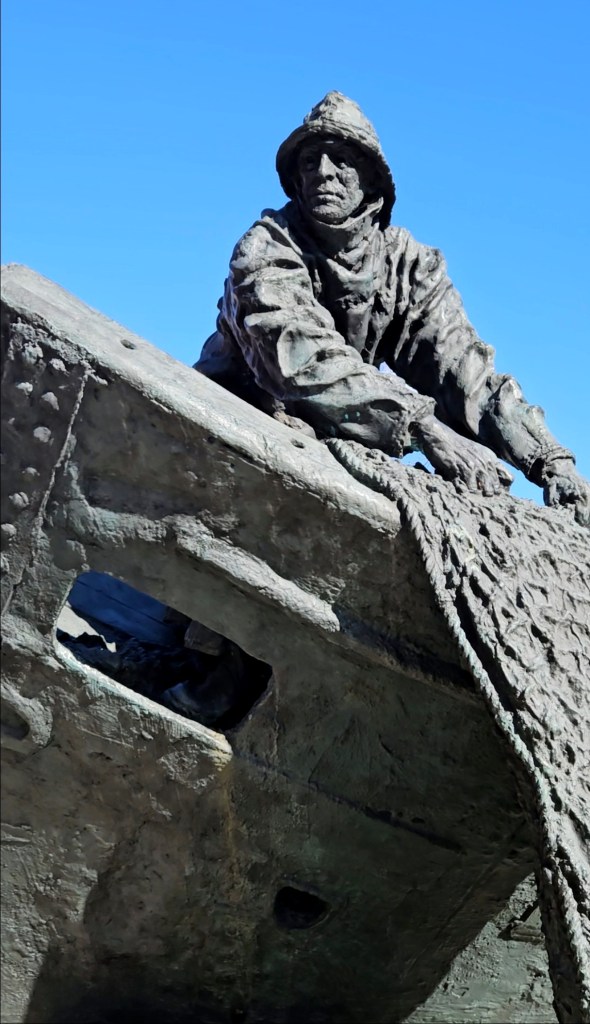
    Once upon a time, Grimsby thrived. Named after a fisherman called Grim, the town flourished as a fishing hub before its fortunes dwindled—first due to the Cod Wars, then the EU’s Common Fisheries Policy, and later Brexit. The legacy lingers, but so do the losses.

    As I stepped off the train, I wasn’t greeted by the fishy smell people warned me about. Instead, I noticed a number of young parents and pregnant teenagers. I couldn’t help but wonder: is this linked to unemployment? A symptom, a cause, or just coincidence?

    As I walked through the town, I saw many individuals who appeared to be struggling with addiction. They weren’t homeless – on the contrary, every single one I observed had a home. One even jumped through a fence, groceries in hand, to get into theirs. That stood out to me – because despite the visible drug use, I saw no rough sleepers. Perhaps the benefits system, and the prevalence of council housing, provides shelter even where everything else seems to be failing.

    That led me to ask some uncomfortable questions: How are there so many addicts in such a poor town? If they’re not working, where does the money come from? Is the benefits system unintentionally fuelling drug use? Could fewer benefits reduce addiction – or would it only deepen the hardship?

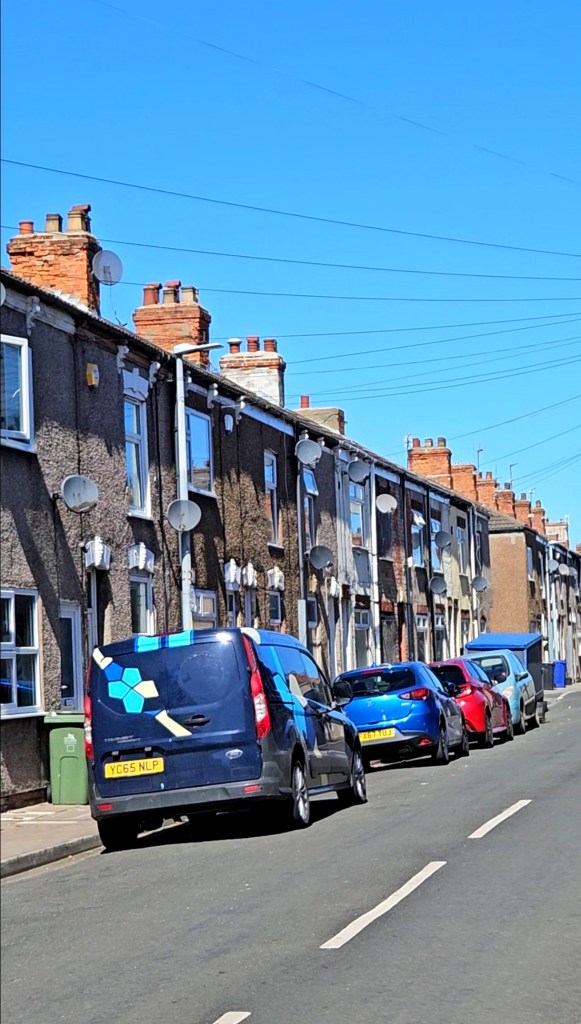
    I visited East Marsh, known for its council estates. The streets were oddly quiet for a Thursday. Contrary to media portrayal, not many houses were boarded up. It actually took several minutes of walking to find any. Ironically, on the same street, I saw brand-new red-brick houses standing beside worn-out council properties – gleaming on one side, crumbling on the other.

    I wandered through several areas to get a better feel for Grimsby – from the busiest parts to the most deserted. I’ve never seen so many estates and blocks of flats in one place – both old and new, most appearing to be council-owned based on their uniformity.

    Security warnings were everywhere: “Thieves Beware: SelectaDNA is used in this area,” “Beware of the dog,” “CCTV in operation.” They served as reminders of the fear, the crime, and the caution that runs through the town’s infrastructure.

    Yet amid the bleakness, I glimpsed something softer. Outside St Andrew’s Church, I saw racks of free clothes and children’s toys, with signs inviting those in need to help themselves. Even plastic bags were provided to carry the items away. That moment stood out; it reflected a kind of grassroots generosity, a quiet care from one neighbour to another.

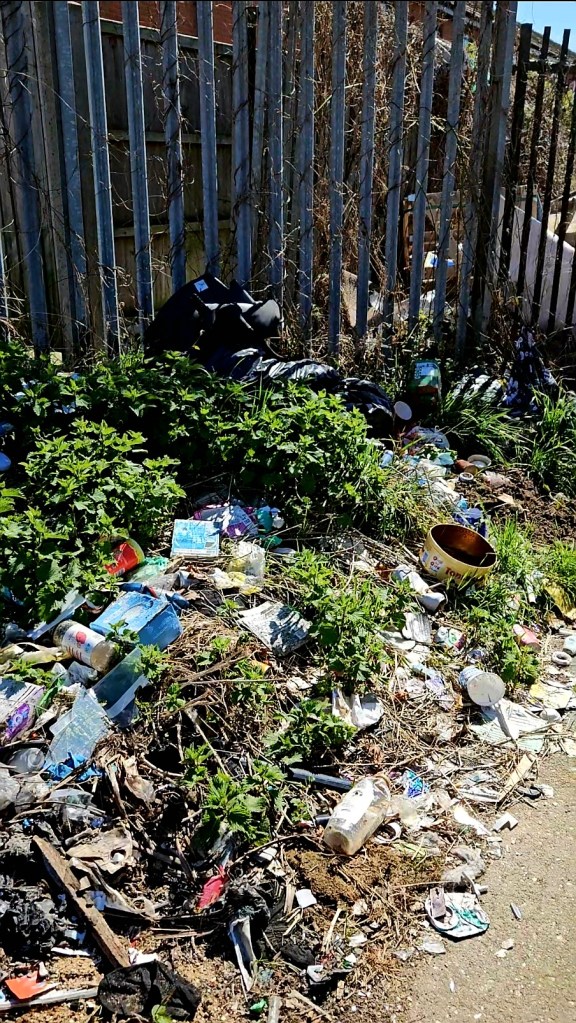
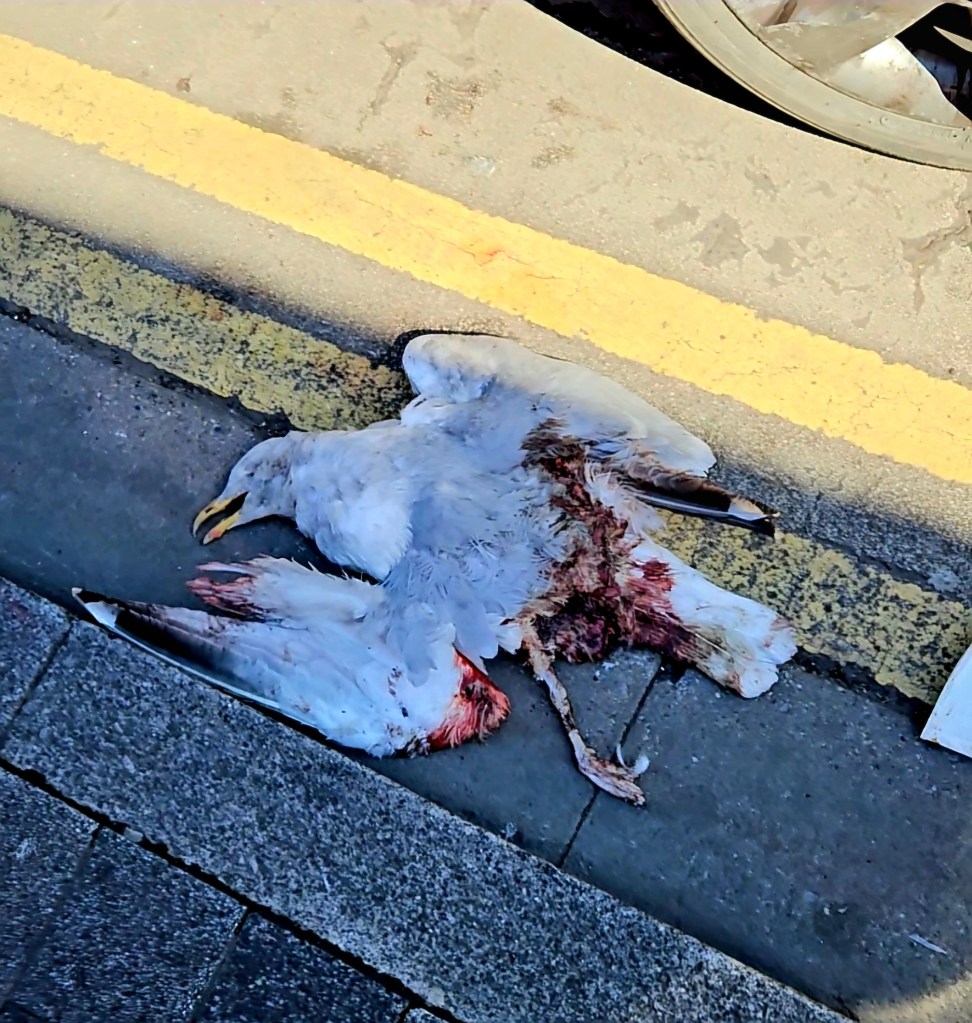
    There were also some things I won’t forget for less pleasant reasons. Dog poop littered the pavements; I genuinely couldn’t stomach it. The sights made me physically ill – they were just too much and a lot than I have ever seen anywhere else. Rubbish piled up on private and public property, some streets almost blocked by it. I even saw a dead bird, bloodied and unmoved, lying on the side of busy Freeman street. And then there was an eyesore of a roadside room – used, it seemed, as an open toilet. These weren’t just issues of poverty, but of neglect.

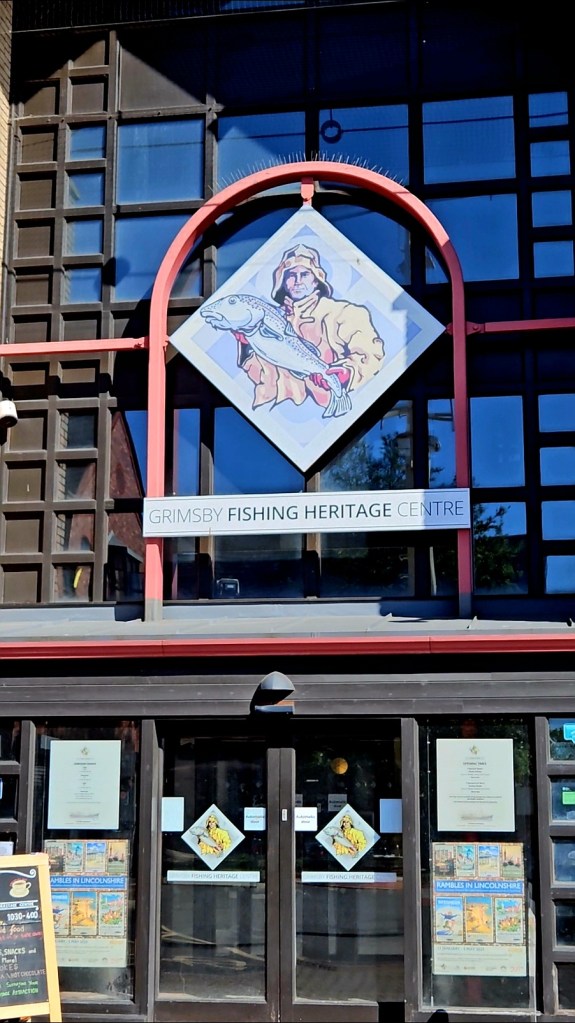
    Still, not everything was grim. There were brighter spots like: the Grimsby Fishing Heritage Centre, Freshney Place Shopping Centre, the docks, and Fisherman’s Wharf. These gave a glimpse into the town’s pride and its effort to preserve what once made it thrive.

    So, will I return to Grimsby? Probably not.

    But I’m glad I went. What I found wasn’t just a town marred by poverty and addiction. It was a place full of contradictions – ugliness and kindness, despair and resilience, isolation and community. Grimsby isn’t just what the headlines say it is. It’s more human than that.

  • Hello there!

    I’m Oluwakemi S Garba – a trained journalist, seasoned communicator, and international media fellow with over a decade of experience in journalism, public relations and content creation. A proud recipient of a Certificate of Achievement from the University of Cambridge, I bring a global perspective to every story I tell.

    As a freelance journalist and storyteller, I specialise in crafting compelling narratives across Travel, Lifestyle, and Fashion. This blog is where I share my passion, insights, and lived experiences – one post, one journey, one story at a time.