by Salimat Oluwakemi Garba
I hadn’t planned on visiting Grimsby. It was one of those names on a map that barely registered—until life nudged me in that direction. I arrived on a sunny afternoon, the kind where light sharpens everything it touches and even unfamiliar streets feel momentarily warm.
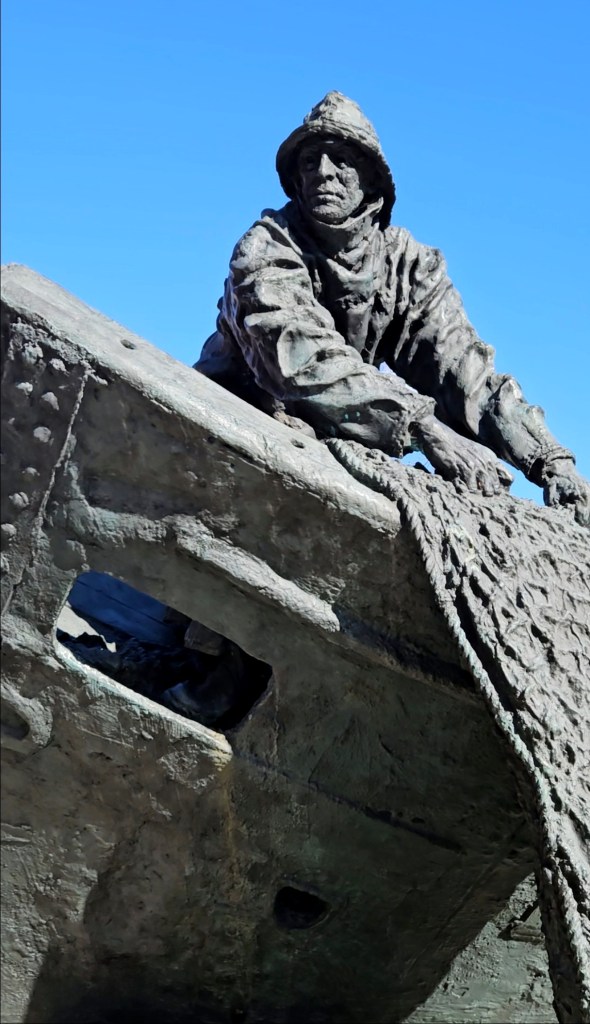
As I sat on the once-full train, I watched it empty out with every stop. By the time we approached the final destination — Grimsby, I found myself wondering: does anyone actually go to Grimsby apart from me?
I had come to the Lincolnshire town out of curiosity. Grimsby has the highest benefit dependency in the United Kingdom and is considered one of the poorest towns in the country. My feelings were mixed. The media had painted it as impoverished, boarded up, dangerous, and destitute.
Everyone I told about my trip asked the same thing: “Why?” Not with intrigue, but with disbelief. One person simply said, “Grimsby is a dead hole.”
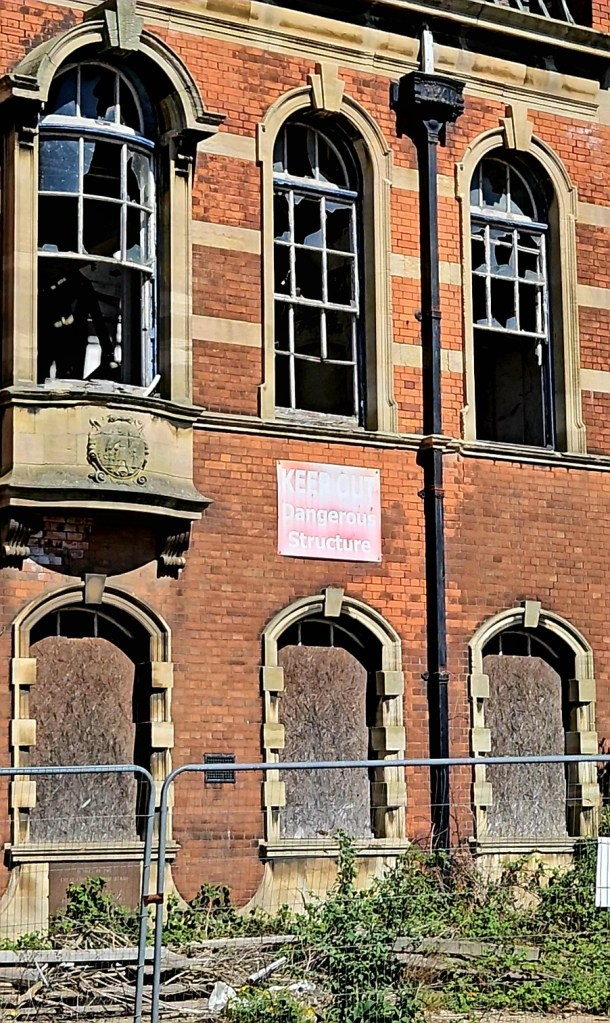
When I mentioned my plans to someone from Grimsby, I asked, “I hear you’re from there – what should I take with me?” Their response? “A knife.” It was a joke, of course, but it spoke volumes about the town’s reputation. They added, “You’re too gorgeous to visit Grimsby.” As my trip drew closer, someone even advised me to hide my camera – it might not be safe.
Once upon a time, Grimsby thrived. Named after a fisherman called Grim, the town flourished as a fishing hub before its fortunes dwindled—first due to the Cod Wars, then the EU’s Common Fisheries Policy, and later Brexit. The legacy lingers, but so do the losses.
As I stepped off the train, I wasn’t greeted by the fishy smell people warned me about. Instead, I noticed a number of young parents and pregnant teenagers. I couldn’t help but wonder: is this linked to unemployment? A symptom, a cause, or just coincidence?
As I walked through the town, I saw many individuals who appeared to be struggling with addiction. They weren’t homeless – on the contrary, every single one I observed had a home. One even jumped through a fence, groceries in hand, to get into theirs. That stood out to me – because despite the visible drug use, I saw no rough sleepers. Perhaps the benefits system, and the prevalence of council housing, provides shelter even where everything else seems to be failing.
That led me to ask some uncomfortable questions: How are there so many addicts in such a poor town? If they’re not working, where does the money come from? Is the benefits system unintentionally fuelling drug use? Could fewer benefits reduce addiction – or would it only deepen the hardship?
I visited East Marsh, known for its council estates. The streets were oddly quiet for a Thursday. Contrary to media portrayal, not many houses were boarded up. It actually took several minutes of walking to find any. Ironically, on the same street, I saw brand-new red-brick houses standing beside worn-out council properties – gleaming on one side, crumbling on the other.
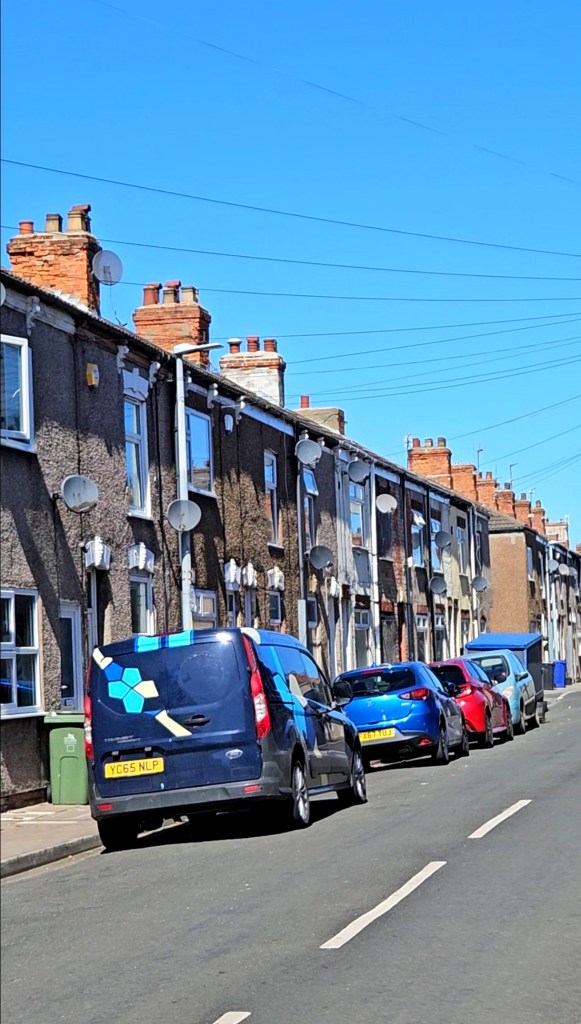
I wandered through several areas to get a better feel for Grimsby – from the busiest parts to the most deserted. I’ve never seen so many estates and blocks of flats in one place – both old and new, most appearing to be council-owned based on their uniformity.
Security warnings were everywhere: “Thieves Beware: SelectaDNA is used in this area,” “Beware of the dog,” “CCTV in operation.” They served as reminders of the fear, the crime, and the caution that runs through the town’s infrastructure.
Yet amid the bleakness, I glimpsed something softer. Outside St Andrew’s Church, I saw racks of free clothes and children’s toys, with signs inviting those in need to help themselves. Even plastic bags were provided to carry the items away. That moment stood out; it reflected a kind of grassroots generosity, a quiet care from one neighbour to another.
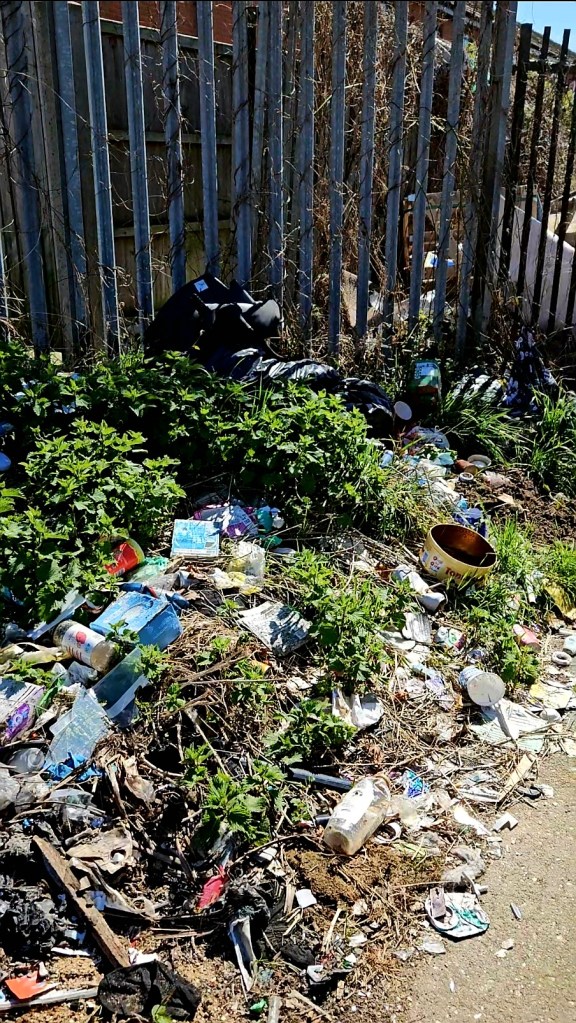
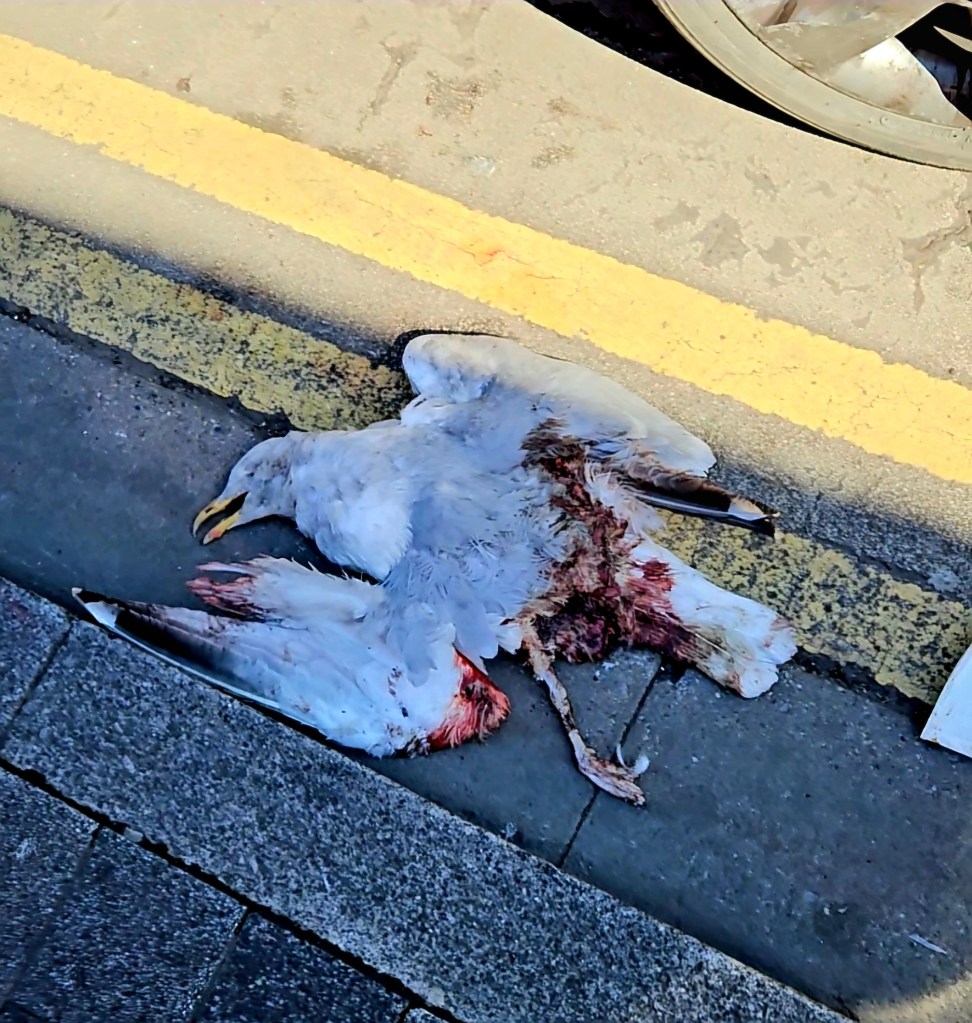
There were also some things I won’t forget for less pleasant reasons. Dog poop littered the pavements; I genuinely couldn’t stomach it. The sights made me physically ill – they were just too much and a lot than I have ever seen anywhere else. Rubbish piled up on private and public property, some streets almost blocked by it. I even saw a dead bird, bloodied and unmoved, lying on the side of busy Freeman street. And then there was an eyesore of a roadside room – used, it seemed, as an open toilet. These weren’t just issues of poverty, but of neglect.
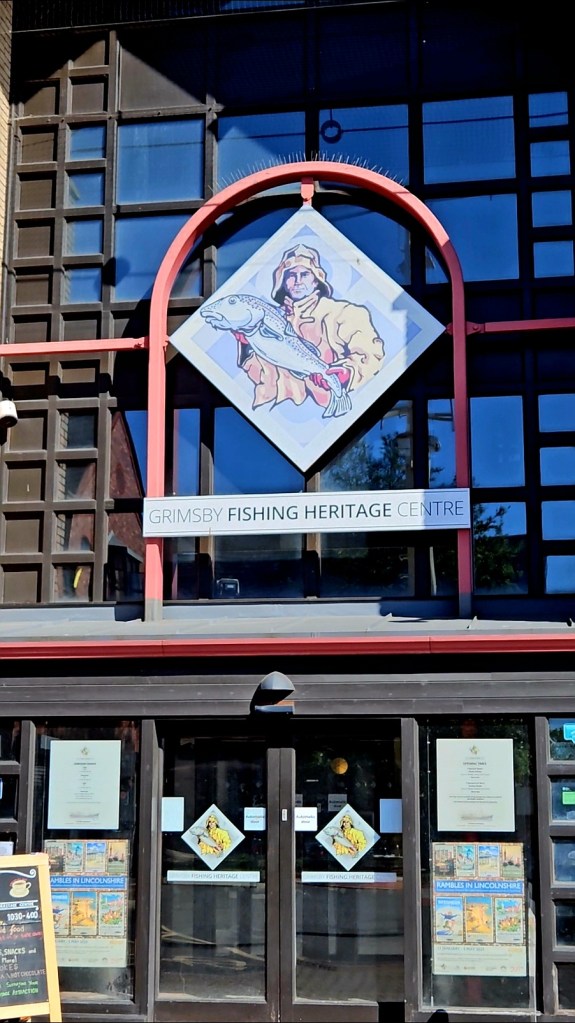
Still, not everything was grim. There were brighter spots like: the Grimsby Fishing Heritage Centre, Freshney Place Shopping Centre, the docks, and Fisherman’s Wharf. These gave a glimpse into the town’s pride and its effort to preserve what once made it thrive.
So, will I return to Grimsby? Probably not.
But I’m glad I went. What I found wasn’t just a town marred by poverty and addiction. It was a place full of contradictions – ugliness and kindness, despair and resilience, isolation and community. Grimsby isn’t just what the headlines say it is. It’s more human than that.

 Oluwakemi S G
Leave a comment